Michelin Guide Expands into the American Southwest and the Northeast — A New Culinary Landscape, Seen Through Sushi and Japanese Cuisine
he expansion of the Michelin Guide into the American Southwest and the Northeastern metropolitan areas represents more than just a broader geographic reach.
In Texas, for instance, several Japanese restaurants and sushi dens have already come under the spotlight, with some successfully earning prestigious stars. For a detailed list of Michelin-starred and recommended Japanese establishments in these regions, please refer to the comprehensive summary in this article.
This shift in coverage signifies a transition in evaluative criteria: prioritizing "how a restaurant establishes itself within its local context" over simply "which city it is located in."
The Michelin Guide’s focus on the Southwest and the Northeast corridors is a significant indicator that the very significance of Japanese cuisine and sushi within American food culture is undergoing a fundamental transformation.
From Global Cities to Local Context
For years, Michelin’s relationship with Japanese cuisine in America followed a familiar pattern.
High-end omakase counters in New York or Los Angeles, refined rooms built around precision and exclusivity.
Japanese food functioned as a symbol of metropolitan sophistication.
The new regional focus unsettles that hierarchy.
Instead of asking how refined a restaurant appears, Michelin is increasingly asking a different question:
How does this restaurant exist within its place?
Sushi and Japanese cuisine are now being evaluated through that same lens.
The Southwest: Why Japanese Cuisine Belongs Here
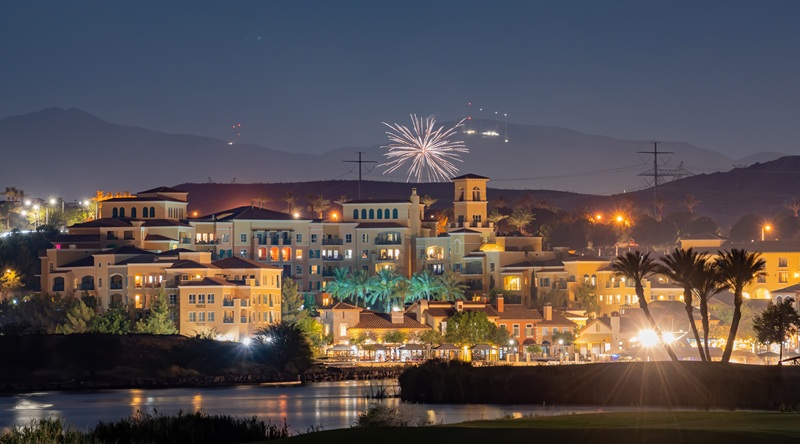
The American Southwest has never been an obvious stage for Japanese cuisine.
That is precisely why it matters.
In this region, restaurants cannot rely on reputation or replication.
They must answer a fundamental question: Why does this cuisine make sense here?
When Japanese cooking engages honestly with local ingredients, climate, pricing realities, and community expectations,
it stops being an imported concept and becomes something grounded.
Not a copy of Tokyo or New York—but a form that could only exist in that specific place.
What Michelin appears to be recognizing is not novelty, but necessity.
Cuisine that feels inevitable rather than aspirational.
The Northeast: Japanese Food as a Mature Everyday Presence
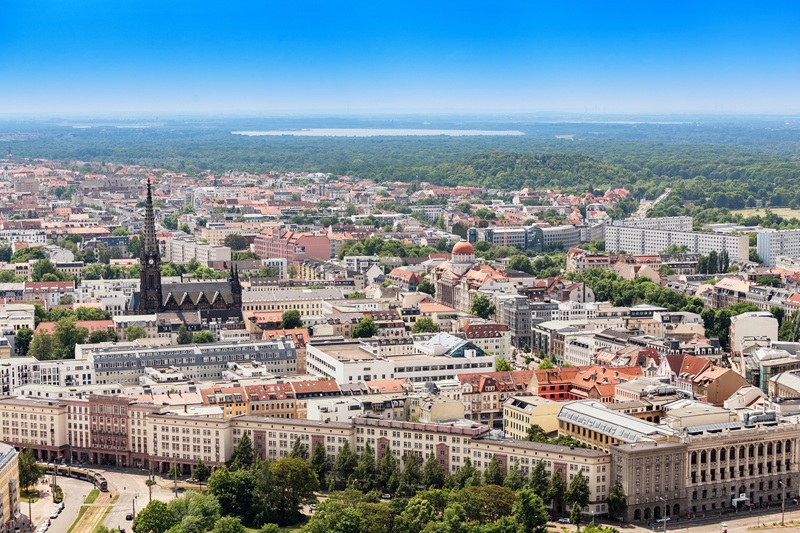
In the Northeast corridor—cities shaped by universities, immigration, and long-established communities—
Japanese cuisine has already settled into daily life.
Here, sushi and Japanese restaurants often operate without spectacle.
No excessive storytelling, no forced luxury—just consistency, balance, and restraint.
By expanding into this region, Michelin is implicitly acknowledging something important:
Japanese cuisine in America has moved beyond the realm of the exotic.
It has become part of a stable, lived food culture.
What’s Being Evaluated Has Changed
The significance of this expansion is not how many sushi restaurants receive stars.
It’s the criteria itself.
Attention is shifting away from technical display and price point,
toward coherence, atmosphere, and continuity.
For sushi chefs, this matters deeply.
Flawless execution is still expected—but it is no longer enough.
The ability to read a room, maintain rhythm, and hold space for guests
has become just as central to the experience.
Michelin is no longer judging sushi solely as cuisine.
It is judging it as a relationship.
It is not just the number of stars that has expanded, but the "choices" available to us.
As the Michelin Guide maps grow, the locations and people being recognized have become increasingly diverse.
Sushi and Japanese cuisine are no longer the exclusive domain of a few select cities.
Instead, restaurants that have stayed true to their local roots and sustained themselves authentically are the ones entering the spotlight. The American Southwest and the Northeastern metropolitan areas are the clearest reflections of this shift.
Today, Michelin is looking beyond "where it is made" and focusing on "how it exists."
Japanese cuisine and sushi may be among the most honest answers to this new standard.
With the diversification of Michelin’s perspective, the "stage for success" for Japanese chefs in America is undeniably expanding.
Register for free today — Stay ahead with the latest job openings, including positions at these acclaimed restaurants, via KIWAMI.
Inquiries: hello@kiwami.io
Latest job listings: https://www.kiwami.io/job-listing