2026: Redefining the Standards of Fine Dining— Fermentation, Non-Alcoholic Pairings, and Performance Reframe the Value of Experience
As we approach 2026, the culinary world is undergoing a major shift.
The era defined by shock value and gimmicky presentations is fading, replaced by a deeper focus on how the dining experience itself is designed.
This shift is clearly reflected in the Michelin Guide.
As the evaluation scope for Japanese and sushi restaurants expands across the United States, restaurants are no longer judged solely on technical mastery or prestige. Instead, greater importance is placed on how sincerely they are connected to local culture, history, and context.
We explored this shift in detail in a related article.
Looking at these trends collectively, it becomes evident that Michelin’s current evaluation criteria are moving away from ingredient rarity and technical novelty. In their place, sustainability, physical sensibility, and—above all—how deeply an experience lingers in memory are becoming central.
Against this backdrop, this article organizes three key concepts that will shape the future restaurant scene, from an on-the-ground professional perspective.
1. Incorporating “Time” into Cuisine
— The Reappraisal of Fermentation and Preservation
Today, fermentation is no longer viewed merely as a health trend or a traditional element of Japanese cuisine. It is being reinterpreted as a foundational technique that supports the very structure of dishes.
House-made koji, vegetables aged over extended periods, original fermented butter, and fish sauces—
these are not simply seasonings to add flavor. They are tools for embedding the concept of time passing directly into a dish.
Many Michelin-listed restaurants now incorporate the fermentation process itself into menu descriptions, making the chef’s philosophy and the terroir of the land visible to guests.
Rather than visual impact, what matters is how long the aftertaste resonates after a single bite.
Dishes that convey this sense of temporal depth are receiving high praise.
2. From “Alternative” to Center Stage
— The Rise of Non-Alcoholic Pairings
One of the most notable developments heading into 2026 is the elevation of non-alcoholic beverages.
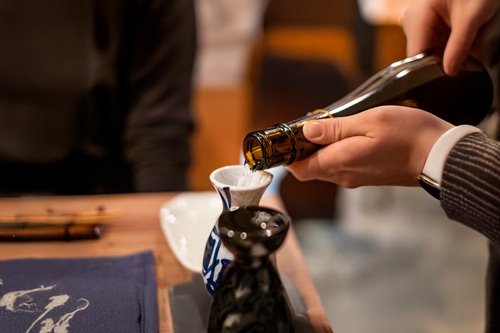
They are no longer substitutes for those who cannot drink alcohol. Instead, they are emerging as fully realized, primary pairings—designed with the same, or even greater, level of intent as alcoholic options.
- Fermented teas such as kombucha
- Precisely formulated herbal infusions
- Aroma-concentrated low-temperature distilled essences
These beverages are meticulously designed to harmonize with the fats and acidity of the food.
This movement goes beyond health considerations.
By avoiding the sensory dulling effects of alcohol, guests maintain sharper focus and higher taste resolution throughout the meal.
As a result, experience quality becomes more consistent across lunch and dinner, and evaluations transcend cultural and national boundaries.
3. From “Showmanship” to “Communication”
— The Evolution of Tableside Presentation
The era of excessive, performance-driven tableside theatrics has largely passed.
The current standard emphasizes accountability and guest participation through more essential, restrained presentations.
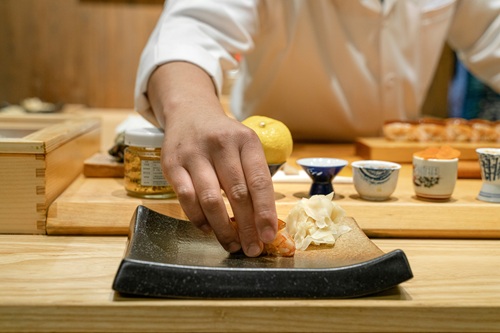
Final cooking touches, aromatic finishes, and explanations of a dish’s origin or the story behind the tableware—
all are designed with minimal movement to communicate context rather than spectacle.
The most critical rule is that presentation must never overpower flavor.
Quiet, deliberate movements by chefs and service staff, paired with concise and meaningful language, deepen guest understanding and enrich the dining experience.
This understated yet persuasive style aligns precisely with what the Michelin Guide is now rewarding in the 2026 context.
The KIWAMI Perspective
The Era of “Design Capability” in the Field
These trends are not limited to chefs alone.
They extend across service, beverage programs, and overall operations.
Looking ahead, three new competencies will define professional evaluation on the floor:
- Foundational scientific understanding of fermentation
- Sensitivity to non-alcoholic pairing design that resonates with cuisine
- The ability to clearly articulate background and context at the table
The expansion of Michelin’s scope in the United States is not merely geographic. It is a clear signal that evaluation standards themselves are evolving.
The age of pursuing stars alone is over. What will be recognized moving forward are Japanese and sushi restaurants that engage sincerely with local culture and context.
Within this transformation, the American restaurant industry faces both new challenges and new opportunities.
At KIWAMI, we aim to go beyond simply reporting these changes. We will continue to explore what on-site professionals must prepare for in practical terms.
If you are considering your career in the field or seeking your next step, we invite you to consult with us.
Contact: hello@kiwami.io
Latest jobs: https://www.kiwami.io/job-listing
Free signup and take your next step in a growing market.