The Current State of the Los Angeles Japanese Food Scene 【2026】~Beyond Sushi: Specialized Niches and the Evolution of a New Market
Los Angeles, situated on the U.S. West Coast, is a city where Japanese cuisine has become a fundamental part of daily life. The era of Japanese restaurants being concentrated in specific enclaves is over. Today, the market has entered a "Warring States" period, where styles have diversified and every neighborhood boasts its own distinct culinary identity.
Modern foodies in LA are no longer seeking broad, surface-level Japanese menus; they crave a deep-dive into the specialized mastery of a single craft. Today, the 'artisan's touch'—which weaves the underlying culture and story into every dish—is prized as the ultimate luxury experience.
As previously detailed in our [Spring 2026] The State of Japanese Cuisine in the U.S. — New Openings in New York, LA, and Boston, the variety of Japanese food in America is expanding at an unprecedented pace.
In this report, we decode the shifting landscape of the LA market, focusing on the challenging new frontiers opening up outside the realm of sushi.
Market Snapshot: Segmentation Beyond Maturity
The LA Japanese food market has moved past saturation into a phase of "hyper-segmentation." With everything from casual grab-and-go rolls to high-end Omakase readily available, sushi has become a commodity. This has cleared the way for other Japanese categories to claim their stake through specialized expertise.
1. The Great Divide: Commodity vs. Ultra-Luxury
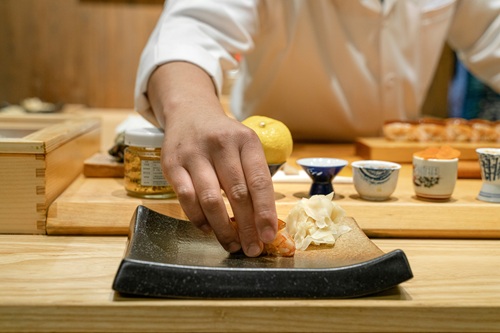
While California rolls are staples at local supermarkets, counter-style Omakase has shifted into an ultra-premium tier, often exceeding $400 per person. This polarization has left a "middle ground" vacuum, which is now being filled by non-sushi Japanese categories.
2. The "Non-Sushi" Fever
Following in the footsteps of the ramen boom, categories like Yakitori, Udon, Soba, and "Yoshoku" (Japanese-Western cuisine) are establishing themselves as independent, high-demand genres.
3. Investment in Experience
Diners are increasingly paying for the "Live Experience." It is less about "what" you eat and more about "who" is preparing it and the "story" behind the craft. Dining has officially evolved into a form of intellectual entertainment.
Regional Market Characteristics
In Los Angeles, the target demographic and preferred restaurant format vary drastically by neighborhood. Success depends entirely on matching the concept to the local "vibe."
- Westside (Beverly Hills / Santa Monica): The High-End Battleground The stronghold for the wealthy and entertainment elite. Even at price points north of $400, there is a consistent demand for "one-of-a-kind" experiences and prestige.
- West Hollywood to Silver Lake: The Trendsetters Home to creators and young professionals, this area rewards innovation over tradition. There is a high sensitivity toward vegan, gluten-free, and sustainable options, making "Creative Izakaya" and fusion concepts highly successful.
- South Bay (Torrance Area): The New Residential Hub A historic Japanese corporate base where local preference is shifting toward authenticity and consistency. Families and expats here value seasonal ingredients and "real" Japanese flavors over flashy presentations.
- Downtown (DTLA): The Urban Frontier An area where the history of Little Tokyo meets the grit of the Arts District. It offers opportunities for both large-scale corporateventures and hidden "speakeasy" style gems, catering to young executives and tourists.
The Rising Stars: Specialized Categories in High Demand
▶The Evolution of Noodles: From Ramen to Udon & Soba
While Ramen is now an American staple, the spotlight is shifting toward the Artisan Craft of other noodles.
- Udon & Soba: Restaurants featuring in-house flour mills and noodle-making machines are gaining a cult following on the Westside.
- Tsukemen & Mazesoba: Specialized dipping and brothless styles appeal to "foodies" who appreciate deep-dive culinary niches.
▶The Gastronomy of Fire: Yakitori & Robata
Authentic Yakitori is currently one of the hardest reservations to secure in LA.
- The Beauty of the Bird: Serving rare cuts like Chochin (unlaid eggs) or Shirako with detailed explanations is viewed as "cool" and sophisticated.
- The Value of Bincho Charcoal: Cooking over white charcoal (Binchotan) is recognized as a high-value technique, allowing specialized Yakitori tasting menus to command prices between $150–$200+.
▶The Rebirth of "YOSHOKU": Japanese-Western & Kissaten
Japanese-style Western food is currently the trendiest category on social media.
- Omurice & Katsu Sando: Photogenic "volcano" omelets and premium cutlet sandwiches are driving massive crowds in Silver Lake and DTLA.
- Kissaten Style: The "Japanese Cafe" aesthetic—thick-cut toast and pour-over coffee—offers a sense of "quietude and craftsmanship" that resonates with city dwellers seeking an escape.
▶From Izakaya to "SAKE BAR"
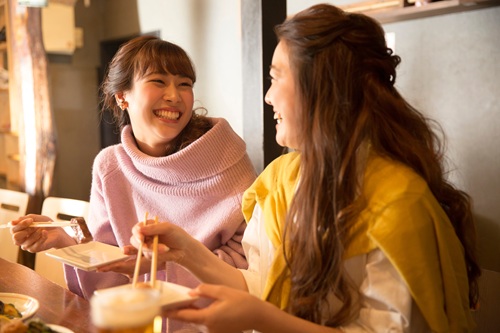
The "jack-of-all-trades" Izakaya is evolving into sophisticated spaces focused on pairing.
▶Vegan Obanzai
In health-conscious Santa Monica, traditional Kyoto-style vegetable dishes paired with natural wines or craft sake have become a new standard.
Why Is Specialization Taking Over?
The primary driver is the increased "resolution" of the LA consumer. Japanese food is no longer a monolith; it is understood as a multi-layered culture, much like Italian or French cuisine.
- The Literacy of Umami and Fermentation: "Umami" is now a common household term. The appreciation for Koji, Miso, and Shoyu fits perfectly within the modern "Wellness" and "Gut Health" trends.
- The "Singular Focus" Aesthetic: LA diners increasingly value those who "do one thing perfectly" over those who "do everything adequately."
- Redefining the Non-Routine: Since sushi is available everywhere, "special" dining out has moved toward the undiscovered—the smoke of the grill, the texture of hand-cut buckwheat, or the nostalgia of a Japanese cafe.
Summary
The era of "Japanese Food = Sushi" is officially over in Los Angeles. In its place is a vibrant, evolving market where Japanese tradition fuses with LA’s multicultural energy.
KIWAMI provides the latest insights and career opportunities from the front lines of the Japanese food scene in the U.S. Whether you are looking to leverage your specialized skills or challenge yourself in a new culinary genre, we offer access to exclusive job listings.
Inquiries: hello@kiwami.io
Job Listings:https://www.kiwami.io/en/job-listing
Free Registration: Get early access to career opportunities at the newest and most talked-about restaurants.