How Houston’s Japanese Food Market Is Changing [2026 Edition] One of Texas’s Deepest Sushi and Japanese Food Markets, Supported by a Multicultural City and Energy Economy
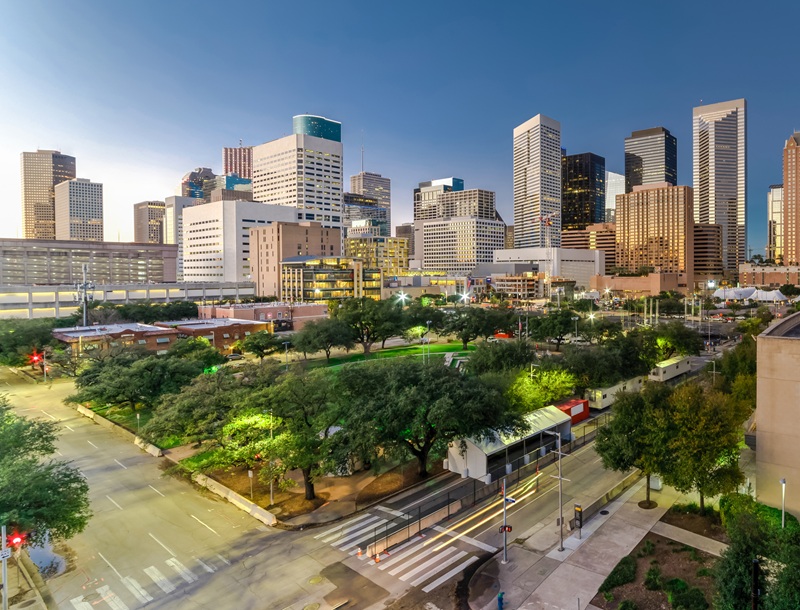
Houston’s Japanese food market is one of the most substantial in Texas.
Even within the same state, Houston is very different from Austin. Austin’s Japanese food scene is being shaped by tech companies, younger transplants, and a dining audience that responds strongly to new, experience-driven Japanese concepts. Houston, by contrast, has a larger metropolitan base and a more layered market supported by multicultural communities, the energy industry, medical and research institutions, international business, and Asian communities.
The City of Houston Mayor’s Office of International Affairs describes Houston as the fourth-largest city in the United States, recognized globally as the Energy Capital of the World and as a leader in life sciences, manufacturing, logistics, and aerospace. The city also notes that one in four Houston residents is foreign-born and that more than 145 languages are spoken in the city. This multicultural foundation is essential when looking at Houston’s dining market.
In Japanese food, Houston is not a market built only on luxury omakase. The city has long-standing and highly regarded sushi restaurants such as Kata Robata and MF Sushi, newer omakase and sushi counter concepts such as Neo, Kira, and Oru, contemporary Japanese restaurants such as Uchi Houston and Katami, and a wide range of everyday Japanese food, including sushi, ramen, izakaya, hand rolls, and yakitori.
Houston is not simply a city where the number of sushi restaurants is increasing. It is a city where international economic depth and multicultural dining habits support the broader growth of the Japanese food market.
Related Articles:
What Makes a Sushi Chef Capable of Earning a High Salary in the United States? [2026 Edition]
Do Sushi Chefs Need a Visa to Work in the United States? [2026 Edition]
Sources:
City of Houston: Mayor’s Office of International Affairs
Houston Methodist: About Houston
Eater Houston: The Best Sushi Restaurants in Houston
Houston Is One of the Most Multicultural Cities in Texas
The first thing to understand about Houston’s Japanese food market is the city’s multicultural character.
Houston is one of the major cities of the American South and has developed as a hub for energy, healthcare, logistics, aerospace, and international business. Houston First reports that more than 145 languages and dialects are spoken in the Houston region, and that 40.1% of residents age five and older speak a language other than English at home. This level of diversity has a direct impact on the city’s dining market.
In a multicultural city, dining options naturally become more diverse. In an environment where American, Mexican, Vietnamese, Chinese, Indian, Middle Eastern, African, and Latin American cuisines are part of everyday life, Japanese food can be accepted not only as a special foreign cuisine, but also as part of the city’s broader food culture.
This is one of the ways Houston differs from Austin. In Austin, tech workers and diners with a strong appetite for new experiences are helping drive the growth of luxury omakase and experience-based restaurants. In Houston, a multinational population and a broad metropolitan area create demand for Japanese food across a wider range of use cases, from everyday dining to high-end restaurants.
Sushi and Japanese cuisine can work in Houston as a luxury experience for affluent diners, as a post-work dinner option, and as a family dining choice. That is one of the strengths of the Houston market.
Sources:
Houston First: Latest Census Data Finds a More Diverse Houston
Houston Energy Transition Initiative
Energy, Healthcare, and International Business Support High-End Dining Demand
Houston has long been known as an energy city. That identity remains strong, but the city has also continued to grow as a center for healthcare, life sciences, logistics, aerospace, manufacturing, and international business.
The City of Houston positions Houston as the Energy Capital of the World, while also describing the city as an international leader in life sciences, manufacturing, logistics, and aerospace. The Texas Medical Center is known as one of the world’s largest medical and research clusters, and the Houston Chronicle has reported on how Houston’s economy has diversified beyond energy into healthcare, technology, renewable energy, and other sectors.
This economic structure affects the high-end Japanese dining market. In a city with energy executives, healthcare professionals, international businesspeople, business travelers, affluent residents, and highly specialized professionals, there is natural demand for client dinners, anniversaries, business meals, and high-ticket dining.
Luxury omakase fits well into this environment. With limited seating, direct interaction with the chef, and a course-based experience, omakase is often chosen not simply as a meal, but as a special evening.
Houston’s sushi market is not supported only by people who like fish or Japanese cuisine. The city’s economic scale and affluent professional base help make high-end sushi and omakase viable.
Sources:
Houston Chronicle: How Houston’s economy booms and busts with oil — and what that means for the city’s future
Texas Medical Center: Plans for Growth as a Leading Life Science Corridor
Kata Robata Shows the Strength of Houston’s Sushi Foundation
Kata Robata is an essential restaurant when discussing Houston’s sushi market.
Eater Houston lists Kata Robata as one of Houston’s leading sushi restaurants and highlights Chef Manabu “Hori” Horiuchi’s work, including fresh fish flown in from Japan multiple times a week, premium omakase, and creative dishes. Kata Robata is not simply a sushi restaurant; it has long been seen as one of the restaurants leading high-quality Japanese dining in Houston.
Its importance lies in the fact that it shows Houston already had a customer base for serious sushi and omakase before the recent wave of new omakase restaurants. Long before newer concepts entered the market, restaurants like Kata Robata were building the foundation through fish quality, creativity, service, sake, robata, and broader Japanese cuisine.
In a past feature, Eater Houston described Kata Robata’s omakase as a special Houston dining experience built around the fish Chef Hori sources that day, with attention to preparation, rice, plating, and detailed garnishes.
The long-term support for a restaurant like Kata Robata shows that Houston is not just an emerging sushi market. It is a city where a customer base that understands high-end sushi and values a premium dining experience has already been established.
Sources:
Eater Houston: Kata Robata
Eater Houston: How Kata Robata Serves One of Houston’s Most Splurge-Worthy Meals
Kata Robata Official Website
Neo, Kira, and Oru Show the Next Wave of Omakase and Sushi Counters
In recent years, a new generation of omakase and sushi counter concepts has also gained presence in Houston.
The Houston Chronicle reported that the team behind Neo and Kira is opening Oru, a new 24-seat sushi counter in the Heights area. Oru is described as a restaurant offering cold dishes, hot dishes, nigiri, sashimi, à la carte options, and omakase. Compared with the more high-end Neo, Oru is positioned as a more approachable and customizable sushi experience.
This movement shows that Houston’s omakase market is expanding into another stage. Beyond luxury, reservation-only special-occasion dining, the city is seeing more flexible sushi counters, restaurants that combine à la carte menus with omakase, and concepts that sit between casual and high-end Japanese dining.
The Houston Chronicle also noted Oru’s minimalist space built around a hinoki counter, direct interaction between chefs and guests, fermentation, pickling, seasonal ingredients, sustainability, and a focus on reducing food waste. This shows that contemporary sushi restaurants are not only serving premium fish. They are designing a broader experience through space, conversation, environmental awareness, and ingredient usage.
Houston’s omakase market is becoming more diverse through long-respected restaurants such as Kata Robata and MF Sushi, as well as newer players such as Neo, Kira, and Oru. This matters for sushi chefs as well. It means that chefs are increasingly expected not only to work behind a traditional counter, but also to interact with guests in contemporary spaces and help shape new menus and service styles.
Sources:
Houston Chronicle: Team behind acclaimed Japanese restaurants Neo, Kira to open sushi counter Oru in Heights area
Eater Houston: Outstanding Omakase Experiences in Houston
MF Sushi, Hidden Omakase, and Uchi Houston Add More High-End Sushi Options
Houston’s sushi market includes several high-end and omakase-focused options.
In its omakase guide, Eater Houston describes MF Sushi as a polished sushi restaurant in the Museum District, where Chef Chris Kinjo and his team focus on traditional Japanese technique, carefully prepared rice, fresh fish, and attention to detail.
Hidden Omakase and Sushi by Hidden also show the breadth of Houston’s omakase market. Sushi by Hidden is a Rice Village concept from the team behind Hidden Omakase and is positioned as a shorter, more accessible sushi tasting experience.
Uchi Houston is also important when discussing Houston’s contemporary Japanese food market. Uchi originated in Austin, but it has built a presence in Houston by combining sushi, sashimi, and creative small plates in a style that reaches diners beyond the traditional sushi restaurant audience.
The key point is that Houston’s sushi market is not moving in only one direction. Traditional sushi, omakase, contemporary Japanese cuisine, shorter counter experiences, and à la carte sushi restaurants all coexist. This diversity reflects Houston’s broad customer base.
Sources:
Eater Houston: Outstanding Omakase Experiences in Houston
Uchi Houston Official Website
MF Sushi Official Website
Japanese Dining Is Expanding Beyond Luxury Sushi Into Izakaya, Yakitori, and Hand Rolls
When looking at Houston’s Japanese food market, focusing only on luxury omakase gives an incomplete picture.
One notable recent trend is the expansion of Japanese concepts beyond sushi. The Houston Chronicle reported that Comma Hospitality, the team behind Neo, Kira, and Oru, is opening Toga, an izakaya-style restaurant. Toga is described as a yakitori-focused restaurant offering more than a dozen chicken parts, along with noodles, curry, sandwiches, crudo, and desserts.
This movement shows that Houston’s Japanese food market is expanding beyond luxury sushi into more everyday, social dining formats built around drinks, conversation, and shared dishes. Yakitori, izakaya, hand rolls, ramen, and casual sushi attract different customers from high-end omakase and help broaden the Japanese food market.
Luxury omakase often becomes the symbol of a city’s Japanese dining scene. But a truly strong market also needs everyday Japanese food that people can visit repeatedly. Houston is beginning to show both.
For sushi chefs and Japanese culinary professionals, this expansion matters. Career entry points are not limited to high-end sushi. Izakaya, yakitori, hand rolls, casual Japanese dining, and restaurant groups all create different ways to build a career. That adds depth to the labor market as well.
Area Differences: Houston Heights, Montrose, Museum District, and Rice Village
Houston’s Japanese food market also differs by neighborhood.
In the Heights, new sushi counter concepts such as Oru are emerging. The Heights combines restaurants, bars, residential areas, and a locally engaged dining audience, making it a strong fit for Japanese concepts that balance casual accessibility with high quality.
Around Montrose and Upper Kirby, restaurants such as Kata Robata have built long-term local support. In this area, the key is not only a sense of high-end exclusivity, but also the kind of trust that brings guests back repeatedly. Kata Robata’s long-standing support reflects its fish quality, broad menu, service, and local presence.
The Museum District has polished sushi restaurants such as MF Sushi, appealing to diners looking for a more refined and composed sushi experience. In Rice Village, Sushi by Hidden shows that a shorter, more accessible omakase-style experience can also succeed.
In this way, Japanese food in Houston is not concentrated in only one area. Across a large metropolitan region, each neighborhood supports different price points, customer groups, and dining occasions. This is one of the defining characteristics of the Houston market.
In New York and Los Angeles, Japanese food districts or high-end sushi areas can be easier to identify. In Houston, however, multiple Japanese dining nodes are spread across a wide urban structure. For sushi chefs and Japanese culinary professionals, this means that the neighborhood they work in can affect the type of service, average check, pace, and team structure expected of them.
Sources:
Comma Hospitality / Oru
Sushi by Hidden
Kata Robata Official Website
MF Sushi Official Website
What Kind of Market Is Houston for Sushi Chefs and Japanese Culinary Professionals?
Houston is a market with very real potential for sushi chefs and Japanese culinary professionals.
First, the city is large. It has population scale, economic depth, international connections, healthcare, energy, and business demand, all of which support high-ticket dining. Second, because Houston is a multicultural city, Japanese food has a strong foundation for acceptance. High-end omakase, izakaya, yakitori, hand rolls, ramen, and casual sushi can all fit into the city’s dining landscape.
In addition, restaurants and concepts such as Kata Robata, MF Sushi, Uchi Houston, Hidden Omakase, Neo, Kira, and Oru show that there are multiple players in sushi, omakase, and contemporary Japanese dining. For sushi chefs, this means that career options are not limited to one path.
- Some chefs may want to stand behind a high-end omakase counter.
- Some may want to break down whole fish and take responsibility for preparation.
- Some may want to interact with guests in English and build relationships across the counter.
- Some may want to lead a team and aim for a head chef position.
- Some may want to work beyond sushi, in izakaya or yakitori concepts.
In Houston, all of these directions are possible.
At the same time, Houston is also a competitive market. In high-end sushi and omakase restaurants, chefs are expected to handle fish properly, explain dishes in English, communicate across the counter, understand food cost, and work effectively within a team. Because the city is multicultural, the customer base is broad, and service flexibility is also important.
Compared with other cities covered in Kiwami’s previous articles, Houston has a distinct position. It is not a tech-driven emerging market like Austin, nor is it a Michelin-driven emerging market like Denver. Houston is one of Texas’s largest Japanese food markets, supported by economic scale, multiculturalism, a broad metropolitan structure, and both high-end and everyday Japanese dining.
Related Article:
How Denver’s Japanese Food Market Is Changing [2026 Edition]
Conclusion
Houston’s Japanese food market is one of the deepest in Texas.
It is not growing in the same way as Austin, where tech-driven growth and younger diners are helping shape new Japanese dining experiences. Houston’s market is supported by a larger metropolitan area, multicultural communities, the energy industry, medical and research institutions, international business, and a wide range of everyday dining demand.
Restaurants such as Kata Robata and MF Sushi have helped build the foundation for high-quality sushi in Houston, while newer concepts such as Neo, Kira, and Oru are pushing the market into a new stage of omakase and sushi counter dining. At the same time, concepts such as Toga show that Japanese dining in Houston is expanding beyond sushi into izakaya, yakitori, and more casual social dining formats.
For sushi chefs and Japanese culinary professionals, Houston offers meaningful career potential. To succeed in high-end restaurants, chefs need omakase experience, English communication skills, fish preparation skills, team management ability, and cost awareness. At the same time, the city’s broad Japanese food demand means that career entry points are not limited to luxury sushi.
Houston should be seen as one of the key Japanese food markets in the American South. Its combination of multicultural acceptance and economic purchasing power suggests that the city’s sushi and Japanese dining market may continue to gain depth in the years ahead.
KIWAMI shares career opportunities for sushi chefs and Japanese culinary professionals based on changes taking place across Japanese food markets in the United States, including Houston.
From high-end omakase and craft sushi to izakaya concepts and restaurant group positions, we can introduce career opportunities, including private openings, based on your experience, English ability, and preferred location.
Contacto: hello@kiwami.io
Últimas ofertas de empleo: https://www.kiwami.io/en/job-listing
Regístrese gratis:Explore new career possibilities in Houston’s growing Japanese food market.