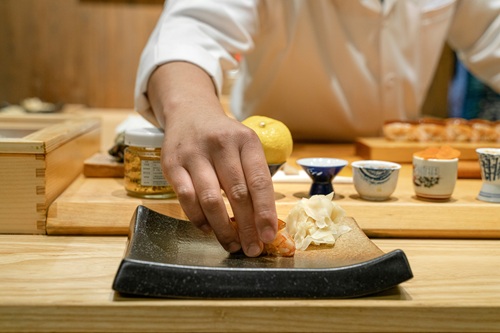
Working as a Japanese Chef in Spain: Visa, Jobs, and Salary Realities 【2026 Edition】 From a Tourism Hub to a "Gastronomic Powerhouse"
Spain has long been recognized as a global tourism leader, but in recent years, the structure of its food and beverage industry has undergone a significant transformation.
Particularly in Barcelona and Madrid, there is a surge in high-end establishments catering not just to tourists, but to local affluent residents and business professionals. Within this shift, Japanese cuisine has secured a prestigious position. Sushi and Washoku are increasingly viewed as "special occasion dining," allowing for higher price points and a more sophisticated market presence.
However, market demand does not always equate to ease of entry. As with many European nations, the primary hurdle remains the visa.
The Spanish Work Visa: Simple Structure, Strict Scrutiny
For Japanese nationals to work in Spain, they generally require a work permit sponsored by an employer. This structure is similar to that of Cyprus, where the company initiates the application.
However, Spain introduces an additional hurdle: the "Local Preference" (Situación Nacional de Empleo) policy.In principle, an employer must prove that there are no suitable candidates within the EU before hiring from abroad. Because of this requirement, many chefs find that even after securing a job offer, the process stalls if the justification for hiring a non-EU national is not robust. While the system is not overly complex, the scrutiny is relatively strict.
The Role Expected of Japanese Chefs
The value of a Japanese chef in Spain is tied directly to specialization—skills that cannot be easily replicated by local talent.
- Technical Mastery: Whether it is precision in sushi-making at a counter or the complex composition of Dashi and multi-course menus in Washoku, your level of craft is the primary metric of evaluation.
- Career Logic: While five years of experience is a common benchmark, it is even more important to have a "documented career." Being able to clearly explain where, at what level, and in what environment you have worked is crucial for a successful visa justification.
The Balance of Language and Environment
While English is increasingly common in international cities, many Spanish kitchens still operate primarily in Spanish, especially in local or traditional settings.
That said, not every position requires high-level fluency. If the establishment has an international team or if you can manage basic professional communication in English, you can succeed. Like Austria, Spain is a market that looks at the balance between your linguistic ability and your technical prowess.
Salaries and the Cost of Living
In the European context, Spanish salary levels for the hospitality industry tend to be moderate to slightly lower compared to the US or Northern Europe.
However, this must be balanced against the cost of living. While expenses vary by city, the overall cost of housing and food remains relatively manageable. Additionally, given Spain's nature as a tourist destination, income and work intensity can fluctuate seasonally. Understanding these cycles is essential before making a commitment.
Comparison: Spain vs. Cyprus & Austria
Spain occupies a middle ground within the European market:
- Cyprus: Known for flexibility and employer-driven processes.
- Austria: Known for a highly structured, point-based system.
- Spain: Affected by both administrative discretion and strict labor market testing.
Consequently, the experience level of the employer is the deciding factor. Success depends largely on whether the company has a track record of hiring foreign nationals and if they are familiar with the specific requirements of the visa process.
Why Discerning Job Quality is Vital
Judging a job offer in Spain solely on the salary is risky. Two critical factors should guide your decision:
- Does the employer have a clearly organized visa process?
- Have they successfully hired non-EU talent in the past?
If these points are vague, the project may fail even after an offer is signed. Conversely, working with an experienced employer makes the transition significantly smoother.
The Strategic Value of Working in Spain
Spain is not an "easy entry" country, but it is a vibrant and evolving market. For Japanese chefs, it offers a realistic opportunity to build a professional track record within Europe. As the demand for high-end Japanese cuisine continues to grow in urban centers, the need for skilled chefs remains steady.
Rather than focusing solely on short-term income, Spain should be viewed as a strategic choice to establish a "European Career" in a country that deeply respects food culture.
Summary
Working as a Japanese chef in Spain requires an understanding that market demand does not automatically guarantee a work permit. Because of the "Local Preference" rule, your ability to prove unique specialization is what ultimately secures the visa.
Spain sits between the flexibility of Cyprus and the institutional stability of Austria. Therefore, the outcome of your move will depend heavily on the quality of the specific job offer and the employer's capability.
At KIWAMI, we leverage our expertise in the European market to introduce only those positions where the visa process is clearly defined. We focus on restaurants in Spain that have a proven track record of successful sponsorships, ensuring your international career move is both realistic and sustainable.
Consultations & Inquiries: hello@kiwami.io
Latest Job Listings: https://www.kiwami.io/job-listing