The Current State of Dubai's Restaurant Market [April 2026]~The Veneer of Prosperity vs. The Reality of the "Silent Frontline"
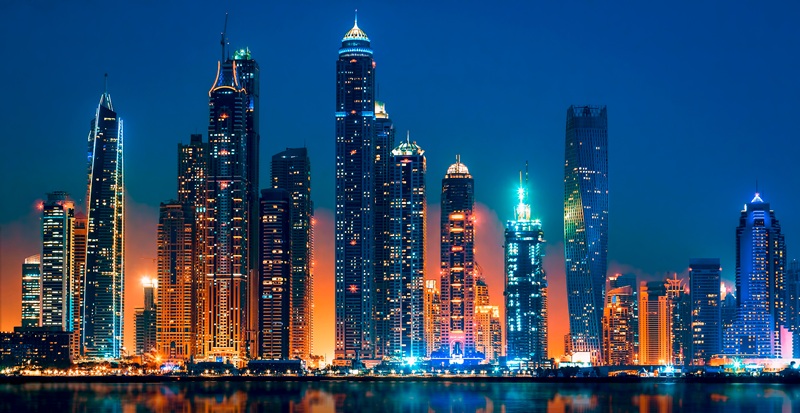
Dubai, the Middle East's primary hub, has long expanded its food and beverage (F&B) industry as one of the world's leading growth markets. Historically reigning as the most glamorous dining destination centered on tourists and the wealthy, the city now stands at its most opaque crossroads.
While social media continues to show glittering interiors and decadent dining experiences, this is merely the "surface" of the city. Real voices from the ground in Dubai, amid intensifying regional conflicts and recent escalations, are beginning to warn: "It is no longer a situation where one can dine normally."
Based on the latest reports and situational data, this article unpacks the often-hidden "realities" of Dubai today.
Physically Severed: The Halt of Global Human Flow
The primary engine of Dubai's restaurants—international tourists and investors—has been visibly stalled by regional instability.
- Shrinking Aviation Infrastructure and Travel Restrictions: As of April 7, 2026, Dubai-based Emirates Airline has seen its flight operations drop to approximately 69% of normal levels (Official Flight Status). Furthermore, significant service reductions by British Airways and travel advisories—such as the UK Government’s "Avoid non-essential travel" (GOV.UK) and the US State Department’s "Level 3: Reconsider Travel"—have choked the influx of high-net-worth individuals.
- Mass Cancellations: According to The National, more than 80,000 short-term stay bookings were cancelled in a single week following the escalation of conflict in March. The demand for visiting the city has withered, and restaurants have not been spared the impact.
"Vanishing Customers" and the Impact on Operations
"Keeping the doors open" and "functioning normally" are now two very different things. A paradigm shift is occurring in Dubai's kitchens and dining rooms.
■ The Exodus of Multinational Corporations
High-end restaurants were previously sustained by high-earning executives stationed in Dubai. Currently, Bloomberg reports that financial giants like Goldman Sachs and Morgan Stanley are allowing staff to relocate or work remotely due to security risks. Furthermore, physical offices in the DIFC (Dubai International Financial Centre), including those of PwC and Deloitte, have seen temporary closures. When the "customers with the ability to pay" physically vanish from the city, high-end establishments face a total evaporation of demand.
■ "Signs are Up, but the Skills are Gone": The Hollowed-Out Kitchen
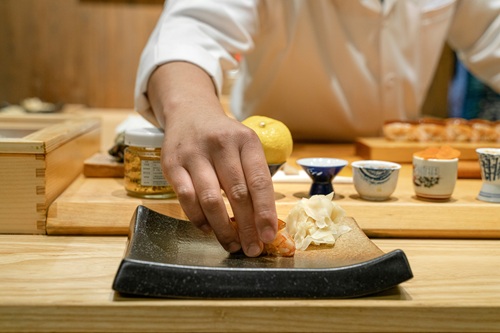
Japanese chefs and skilled culinary professionals are seeing their foundations destroyed by forces beyond their control.
- The Artisan's Exit: There is a surge in skilled Japanese chefs and multinational artisans choosing to relocate to stable neighboring countries (such as Saudi Arabia) or opting for emergency repatriation to avoid conflict risks.
- Functional Closures: Even if a restaurant's sign is lit, the quality cannot be maintained without the "hands" that support it. The departure of staff has led to stripped-down menus and a decline in service standards across numerous venues.
■ Cries from the Field via Social Media
Behind the official tourism promotions, the reality is leaking onto digital platforms.
- Sky News (YouTube): A field report titled "Dubai restaurants once overflowing with tourists now resort to local discounts to survive" has garnered tens of thousands of views, detailing menu simplifications and staff salary cuts.
- Instagram (#DubaiRestaurants): While some popular spots desperately post "We are OPEN," individual chefs are sharing "Stories" of months' worth of bookings vanishing and fears that their businesses won't survive the summer.
The Collapse of the "Movement and Consumption" Premise
The fundamental pillar of Dubai’s F&B market—the "free flow of people"—has suffered physical damage.
- Disruption of Urban Functions: Reuters reports that regional tensions have caused severe disruptions to airports, ports, and logistics across the Gulf. This is not a temporary slowdown; it is a fundamental destabilization of the environment required for people to move and consume safely.
- Loss of "Easy Access" Status: On April 9, British Airways reduced its Dubai service from three flights a day to just one. As airlines re-evaluate their routes, Dubai is losing its status as an "easy-to-visit" city—a fatal blow for luxury shops dependent on international visitors.
- Shift to "Quiet and Intentional" Consumption: The National observes that dining in the UAE has become "quieter and more intentional." Customers are dining out less frequently, choosing local, smaller-scale venues that offer a sense of security and value over prestige.
Logistical Breakdown and the Limits of Japanese Ingredients
For high-end Japanese restaurants relying on premium imports, the tension in the Strait of Hormuz is catastrophic.
- Skyrocketing Air Freight Costs: Recent data shows air cargo rates have surged 84% to 150% year-on-year, with some routes tripling (CAAS). Doubled jet fuel costs are being passed down as heavy surcharges.
- Collapse of Profit Margins: For perishables like fresh fish sent directly from Toyosu Market, where transport costs constitute the bulk of the COGS (Cost of Goods Sold), every serving can result in a net loss. With Reuters reporting sales drops of 30–50% at major facilities like Dubai Mall, restaurants are being forced into extreme caution regarding procurement.
The "Ultimate Choice" Facing Chefs
The most significant change in Dubai is not just the numbers, but the psychological and physical movement of the people who power the industry.
Geopolitical Risk vs. Career Building
As Bloomberg highlights, the "Safety and Continuity" protocols of multinational firms are becoming the new standard. For Japanese chefs who moved to Dubai seeking a stable environment for growth, the sudden uncertainty has forced them to re-evaluate their "basic safety" over their "career." We are seeing a "hollowing out of talent" as professionals move to the more stable markets of Saudi Arabia or return to Japan.
Summary
What is happening in Dubai's Japanese food scene today is more than a drop in customer numbers—it is a "Hollowing of Technique" as the artisans who uphold the value of the cuisine physically leave the city.
Chefs considering Dubai as a future destination must look beyond salary offers and glamorous imagery. It is essential to ask: "Does this organization have the framework to protect its staff during a crisis?" and "Is the soil of this market still capable of sustaining my craft?" Entering the market based solely on past reputations of high pay is now a high-risk gamble.
At KIWAMI, we provide realistic insights based on the actual situation on the ground, alongside the latest job information. We guide those considering an overseas career not just on conditions, but on the environmental risks and realities.
Inquiries & Consultations: hello@kiwami.io
Latest Job Listings: https://www.kiwami.io/job-listing
Register for free—Consider your overseas career opportunities from a realistic perspective.